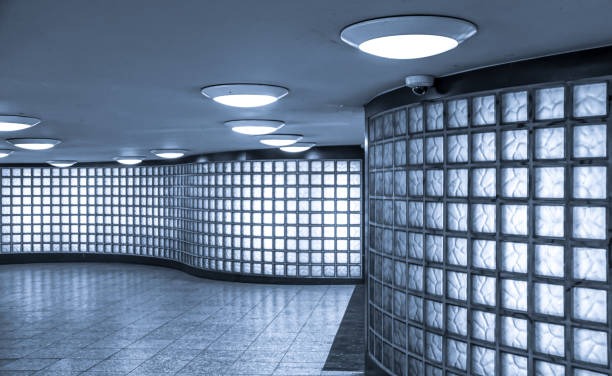
“Good lighting can transform any space into a masterpiece” – and hallways are no exception.
Beyond the Passage: Why Hallway Lighting Matters
Hallways are more than transit zones – they’re first impressions and emotional conduits. Proper indoor lighting in these spaces prevents accidents while elevating a home’s perceived value by up to 20%. Yet functionality is just the start. Strategically designed lighting hallway schemes create rhythm, depth, and narrative – turning neglected corridors into galleries of light and shadow that prepare visitors for your home’s character.
Fixture Alchemy: Matching Form to Function
Recessed Lighting: The Invisible Workhorse
Ideal for low ceilings and minimalist aesthetics, recessed fixtures provide glare-free ambient light. Positioned 4–6 feet apart, they create “light pathways” that visually expand narrow spaces. Pair with dimmable LEDs to shift from morning brightness to evening warmth.
Wall Sconces: Sculptural Storytellers
Sconces add vertical drama while freeing floor space. For galleries: aim adjustable arms at artwork. In traditional halls: opt for smoky glass or wrought iron designs that cast intricate shadows. Pro tip: Install at 60–70 inches height for optimal illumination.
Pendants: Architectural Jewels
In vaulted entries, clustered pendants create rhythm. Try staggered heights in monochrome for modernity, or mix metallic finishes for eclectic charm. Ensure bottom fixtures hang 7+ feet above floor level.
LED Strips: Hidden Magic
Conceal strips under handrails or within crown molding. Cool white (4000K) energizes modern spaces; warm amber (2700K) enhances traditional textures. Smart strips sync with sunrise/sunset for autonomous mood shifts.
The Layering Principle: A Triad of Light
Masterful lighting hallway designs blend three types:
- Ambient: Recessed or flush-mount ceiling lights for baseline illumination.
- Task: Directional sconces near consoles/key hooks for practical use.
- Accent: Track lights highlighting art or architectural niches.
Example: A Mediterranean-style hall combines coffered ceiling spots (ambient), forged-iron sconces (task), and gilded picture lights accenting terra-cotta reliefs.
Tech-Forward Illumination: Smart & Sustainable Solutions
Modern indoor lighting integrates intelligence:
- Motion sensors activate pathways at night (safety + energy savings)
- Voice-controlled dimmers adjust brightness for occasions (“Alexa, dinner party mode”)
- Self-learning systems like Ketra adapt to habits – brighter at 7 AM, softer by 9 PM
- Solar tubes in skylights harness daylight where windows are absent
Aesthetic Synergy: Light as Design Element
Material Discussions
- Smoked glass fixtures diffuse moody, sophisticated glows in moody entryways
- Rattan pendants complement bohemian spaces with lace-like light patterns
- Brass sconces warm gray-toned modern halls
Manipulation of Space
- Mirrors opposite sconces double perceived width
- Vertical fixtures draw eyes upward in low-ceilinged spaces
- Warm lighting (2700K) in windowless halls mimics golden hour warmth
Statement-Making
Oversized chandeliers transform double-height entries into showstoppers. Try a blackened steel ring chandelier in industrial lofts or crystal-encrusted tiers in classic foyers.
The Harmony Equation: Balancing Elements
Successful lighting hallway schemes answer four questions:
- Safety first: Are steps/obstacles clearly visible?
- Flow: Does light guide movement intuitively?
- Emotion: Does the mood align with adjoining rooms?
- Cohesion: Do finishes complement hardware/architectural details?
Final touch: Always test samples at night. A fitting that dazzles at noon may feel sterile by dusk.